As dusk falls over Istanbul's bustling streets, a hypnotic aroma begins to weave through the air—the sizzle of seasoned meat slowly turning on a vertical spit, its juices dripping onto glowing embers below. This is döner kebab, Turkey's gift to global street food, where layers of marinated lamb, beef, or chicken are stacked into a towering cone and roasted to perfection.
More than just a quick meal, döner represents a centuries-old culinary tradition perfected through Ottoman ingenuity and modern Turkish flair. The sight of a skilled ustá (master) shaving paper-thin slices of caramelized meat onto warm bread is a theater of temptation, drawing hungry crowds like moths to a flame.
The Spit Science: Architecture of Flavor
At the heart of every great döner lies its meticulously constructed spit. Thin slices of marinated meat are stacked with layers of fat—tail fat for lamb, beef fat for richer cuts—creating a self-basting tower that rotates slowly before vertical flames. The outer layers crisp into a savory crust while the interior remains succulent, with each rotation basting the meat in its own rendered juices. Traditional döner masters still hand-stack their spits daily, adjusting the meat-to-fat ratio based on weather and meat quality. Modern electric rotisseries ensure even cooking, but purists argue only wood or charcoal fires impart that irreplicable smoky essence.
The Marinade Mystique: More Than Just Seasoning
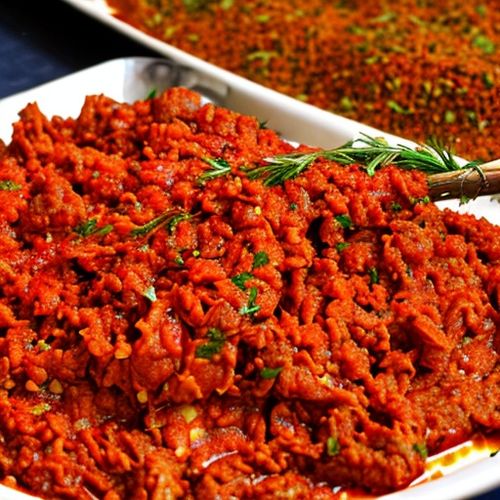
What separates Turkish döner from imitations is its complex marinade—a closely guarded blend that might include yogurt (to tenderize), onion juice (for sweetness), and a secret mix of spices like cumin, sumac, and Turkish red pepper. The meat bathes in this elixir for 24-48 hours, allowing enzymes to work their magic before cooking. Regional variations abound: Adana-style leans heavy on chili, while İzmir versions might include oregano and thyme. This pre-cook transformation turns tough cuts into buttery tenderness, proving that döner's alchemy begins long before the spit starts turning.
The Bread Factor: Foundation Matters
In Turkey, döner never comes alone—it needs the perfect carbohydrate companion. Freshly baked pide (flatbread) or lavash acts as a warm, pliable vessel, its slight chew contrasting with the meat's crisp edges. Some vendors grill the bread briefly on the spit's dripping tray, letting it soak up meat juices before loading. The bread-to-meat ratio is sacred; too much bread overwhelms, too little makes the experience incomplete. This symbiotic relationship elevates döner from mere protein pile to balanced meal.
The Condiment Code: Sauces with Purpose
While global döner shops drown meat in generic white sauce, authentic Turkish versions employ condiments with precision. Ayran (yogurt drink) cuts through richness, şalgam (fermented turnip juice) adds tangy punch, and sumac onions provide acidic crunch. Even the humble tomato and parsley garnish serves a purpose—their freshness balancing the meat's intensity. The art lies in restraint; sauces should enhance, not mask, the star ingredient's careful preparation.
The Slice Ceremony: Knife Skills as Performance
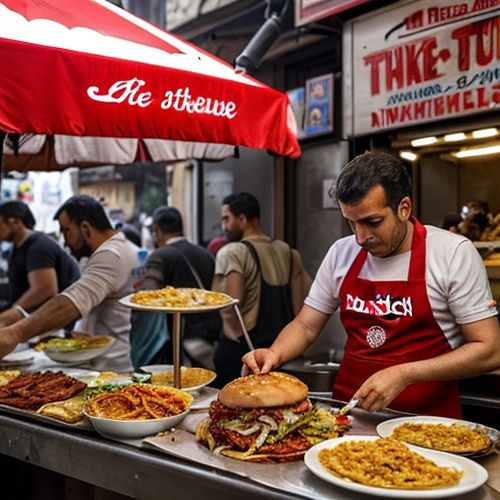
A döner master's knife work is poetry in motion. The long, thin blade glides across the spit at a precise 30-degree angle, shaving off caramelized outer layers while leaving the interior to continue cooking. Each stroke produces a mix of crispy edges and tender centers—some pieces nearly translucent, others satisfyingly substantial. Watching an expert alternate between delicate flicks and confident sweeps explains why Turkey considers döner carving a respected culinary craft.
Regional Rivalries: Istanbul vs. The Rest
While döner has gone global, regional Turkish styles remain fiercely distinct. Istanbul's version favors thinly sliced lamb-beef combos with minimal seasoning, letting quality meat shine. Bursa's İskender crowns the meat with browned butter and yogurt, while Gaziantep's spicy version packs chili heat. Even the wrap varies—some regions use dürüm (tightly rolled flatbread), others prefer open-faced tabak plates. These differences celebrate Turkey's diverse culinary landscape while honoring döner's unifying principles.
From Street Food to Cultural Icon
What began as 19th-century Ottoman street fare now symbolizes Turkish ingenuity worldwide. The vertical rotisserie's invention (credited to İskender Efendi in Bursa) revolutionized meat cooking, influencing global dishes from Greek gyros to Mexican al pastor. Yet in Turkey, döner never lost its working-class roots—still the preferred post-shift meal for taxi drivers, the reward after stadium concerts, the glue of late-night friend gatherings. Its democratizing power lies in being both ubiquitous and extraordinary.
The Midnight Ritual
There's magic in eating döner at 2 AM outside a buzzing Istanbul lokanta. The warm bread bundle passed over the counter, the first bite that mixes crisp and juicy textures, the inevitable sauce drip on your shirt—these sensory memories bond Turks across generations. Unlike restaurant dining, döner demands no ceremony; it's food for life in motion, enjoyed standing up or walking home, as much a part of Turkish urban soundtracks as seagull cries and ferry horns.
Globalization's Double-Edged Sword
As döner conquers world cities, authenticity often gets lost in translation. Berlin's döner kebabs bear little resemblance to Istanbul's, while American "gyro" versions sometimes use processed meat cones. Yet Turkey adapts too—upscale Istanbul spots now serve wagyu döner, and vegan versions with mushrooms gain traction. Through all evolutions, the essence remains: meat, fire, and bread in perfect harmony.
A perfect döner bite captures Turkey's culinary soul—the crisp-tender meat, the bread's warmth, the marinade's subtle spice, all unified by wood-fire smokiness. It's no accident that the word "döner" means "turning"; this dish revolves around community, tradition, and the simple joy of well-crafted street food. Whether devoured at a decades-old Istanbul stand or attempted at home (with tempered expectations), every slice celebrates an eternal truth: sometimes the most universal pleasures come not from complexity, but from perfecting the basics with care and fire.
By David Anderson/Mar 29, 2025

By Sophia Lewis/Mar 29, 2025
.jfif)
By Emily Johnson/Mar 29, 2025
By Lily Simpson/Mar 29, 2025
By Emily Johnson/Mar 29, 2025
By Natalie Campbell/Mar 29, 2025
By Thomas Roberts/Mar 29, 2025
By Olivia Reed/Mar 29, 2025
By Daniel Scott/Mar 29, 2025
By William Miller/Mar 29, 2025
By George Bailey/Mar 29, 2025
By William Miller/Mar 29, 2025
By Amanda Phillips/Mar 29, 2025
By Christopher Harris/Mar 29, 2025
By Megan Clark/Mar 29, 2025
By Sarah Davis/Mar 29, 2025
By Samuel Cooper/Mar 29, 2025
By Victoria Gonzalez/Mar 29, 2025

By Olivia Reed/Mar 29, 2025