In the ancient alleyways of Sana’a and the mountain villages of Yemen’s Haraz region, the aroma of freshly baked Bint al Sahn—"Daughter of the Plate"—fills homes during celebrations and Friday gatherings.
This intricate, honey-drenched layered bread isn’t just dessert; it’s an edible heirloom, its recipe whispered through generations like a cherished folktale. With its delicate, tissue-thin dough stacked high and glistening with golden Yemeni sidr honey, each bite carries the legacy of the Queen of Sheba’s legendary banquets and the ingenuity of Yemeni women who turned simple ingredients into culinary art.
The Dough’s Dance: Layers Like Silk
The magic begins with a supple dough of flour, eggs, and a touch of mahleb (cherry pit spice), kneaded until it becomes pliable as satin. Skilled bakers stretch portions by hand into translucent sheets, draping them over rounded trays in delicate layers—traditionally 10 to 12, symbolizing completeness in Yemeni culture. Each layer is brushed with samn (clarified butter) before the next is added, creating a lattice of richness that will later soak up honey. The process resembles the making of phyllo, but where phyllo crumbles, Bint al Sahn’s dough stays tender, its layers distinct yet harmoniously fused.
Sidr Honey: Liquid Gold from Ancient Trees
No element defines Bint al Sahn more than Yemen’s legendary sidr honey, harvested from bees that feed exclusively on the nectar of the sacred Ziziphus spina-christi tree. This honey—amber-hued, thick as molasses, with a complex flavor of caramel and herbs—is drizzled generously over the baked cake while still warm. The heat coaxes the honey into every buttery layer, transforming the bread into a shimmering, sticky-sweet marvel. The honey’s terroir matters profoundly; Hadramawt’s sidr carries smoky notes, while Marib’s boasts floral undertones—regional differences celebrated in every bite.
The Baking Ritual: Precision in the Oven
Traditional clay ovens (tannurs) give Bint al Sahn its signature texture—slightly crisp at the edges yet pillowy within. The cake bakes at moderate heat, allowing the layers to rise gently without over-browning. Master bakers know doneness by aroma rather than timers; when the scent of toasted butter and wheat fills the kitchen, they pull the golden disk from the oven and immediately anoint it with honey. Some versions embed whole eggs in the top layer during baking—a festive touch that cracks open to reveal creamy yolks when served.
The Social Sweetness: More Than a Dessert
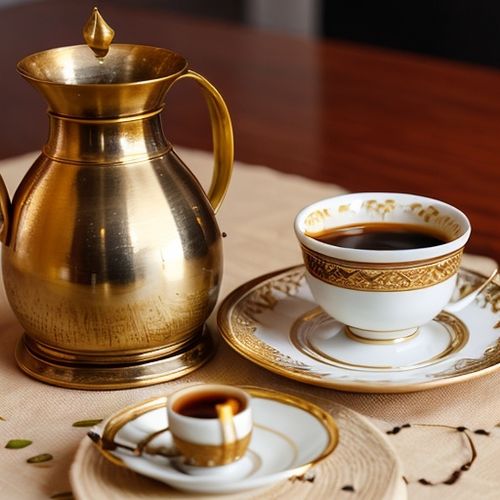
Bint al Sahn is Yemen’s edible love language. Prepared for weddings to symbolize layered blessings, served to guests as the ultimate gesture of hospitality, and shared during Eid as a communal delight. The act of tearing into its sticky layers with one’s right hand—never cut with knives—turns eating into ceremony. Families gather around the plate, peeling back buttery strata while sipping shai adeni (cardamom tea) to balance the sweetness. Its presence at gatherings signals abundance and joy, its absence unthinkable at milestone events.
Survival Through Strife: A Recipe That Endures
Even as Yemen faces hardships, Bint al Sahn remains a resilient cultural touchstone. Home cooks adapt—using gas ovens when firewood is scarce, substituting local honeys in some regions—but preserve the dish’s essence. Diaspora communities from Detroit to Dubai bake it to stay connected to heritage, while food historians document its preparation as safeguarding intangible culture. This perseverance underscores how culinary traditions become lifelines in turbulent times.
Modern Twists on Ancient Layers
Contemporary Yemeni chefs play with the classic—infusing dough with saffron or topping it with ashta (clotted cream). Bakeries in Aden might add a layer of date paste for extra sweetness, while health-conscious versions use whole wheat flour. Yet purists insist the original, in its buttery simplicity, remains unmatched—proof that perfection needs no embellishment.
To savor Bint al Sahn is to taste Yemen’s soul—the patience in each hand-stretched layer, the generosity in the honey’s golden pour, the resilience in its enduring presence. That first pull-apart bite, sticky with sidr honey and rich with butter, connects eaters to centuries of shared history. In a world of fleeting food trends, this cake stands as a testament to the power of tradition—sweet, layered, and meant to be passed down, one golden piece at a time.
By David Anderson/Mar 29, 2025
By Sophia Lewis/Mar 29, 2025
.jfif)
By Emily Johnson/Mar 29, 2025
By Lily Simpson/Mar 29, 2025
By Emily Johnson/Mar 29, 2025

By Natalie Campbell/Mar 29, 2025
By Thomas Roberts/Mar 29, 2025
By Olivia Reed/Mar 29, 2025
By Daniel Scott/Mar 29, 2025
By William Miller/Mar 29, 2025
By George Bailey/Mar 29, 2025
By William Miller/Mar 29, 2025
By Amanda Phillips/Mar 29, 2025
By Christopher Harris/Mar 29, 2025
By Megan Clark/Mar 29, 2025

By Sarah Davis/Mar 29, 2025
By Samuel Cooper/Mar 29, 2025
By Victoria Gonzalez/Mar 29, 2025
By Olivia Reed/Mar 29, 2025