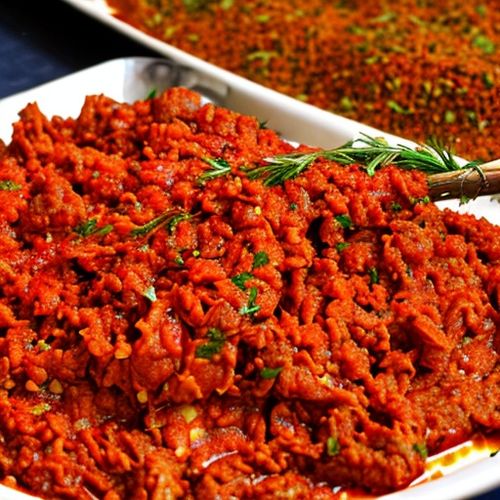
In the sunbaked markets of Tunis and the coastal kitchens of Sfax, one ingredient reigns supreme—harissa, the vibrant chili paste that forms the pulsating heart of Tunisian cuisine. More than just a condiment, this aromatic blend of smoked red peppers, garlic, coriander, and caraway embodies Tunisia’s crossroads identity, where Berber traditions meet Mediterranean flavors and Saharan spice routes.
Whether smeared on crusty bread, stirred into stews, or whisked into salad dressings, harissa’s smoky heat and complex depth elevate even the simplest dishes into memorable experiences. Its versatility knows no bounds, making it as indispensable in a Tunisian home as olive oil or salt.
The Craft of Authentic Harissa: From Pepper to Paste
True Tunisian harissa begins with baklouti peppers—a varietal grown in the fertile fields of Gabès and Cap Bon, prized for their balance of heat and fruity sweetness. After harvest, the peppers are sun-dried on rooftops, absorbing the North African sun, then rehydrated and pounded with garlic and a carefully calibrated mix of spices.
Coriander seeds lend citrusy brightness, caraway adds earthy warmth, and a splash of olive oil binds everything into a luxuriously textured paste. Artisanal producers still use stone mortars for grinding, believing the slow process preserves the peppers’ essential oils better than mechanical blenders. The result? A condiment that’s fiery yet nuanced, capable of transforming with just a spoonful.
Breakfast Revolution: Harissa at Dawn
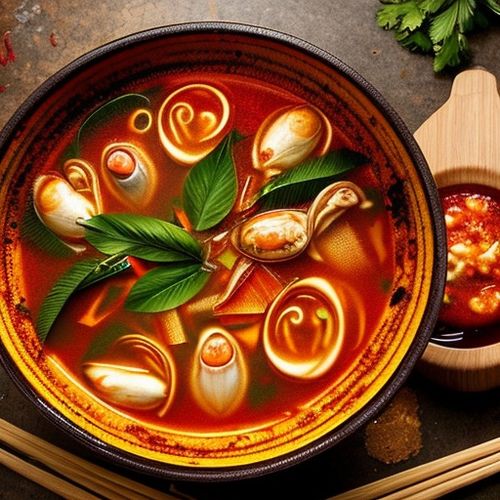
Tunisians don’t reserve harissa for later meals—it jumpstarts the day. A dollop stirred into shakshuka eggs adds smoky depth to the tomato sauce. Spread thinly on fricassé sandwiches (stuffed with tuna, olives, and boiled potatoes), it cuts through richness with spicy clarity. Even humble lablabi (chickpea soup) gets a morning wake-up call from a harissa swirl, its heat balancing the soup’s creamy texture. These breakfast applications showcase harissa’s unique ability to invigorate without overwhelming, proving that spice can be as welcome at sunrise as at dinner.
The Flavor Amplifier: Stews and Tagines
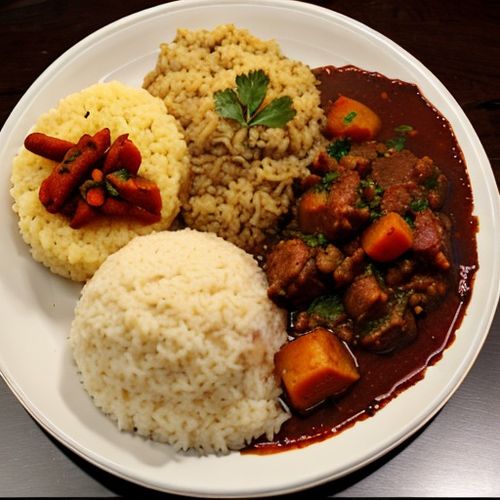
In Tunisian home cooking, harissa acts as a culinary catalyst. Added to osban (offal-stuffed sausage), it cuts through the meat’s richness. Simmered in marqa vegetable stews, it unifies disparate ingredients with its smoky bass note. Even seafood dishes like chakchouka bel hout (fish with peppers) rely on harissa’s warmth to elevate delicate flavors without masking them. Unlike some chili pastes that dominate, well-made harissa enhances, its spice level adjustable by quantity rather than formulation—a pinch for warmth, a tablespoon for fire.
Beyond Tunisian Borders: Global Fusion
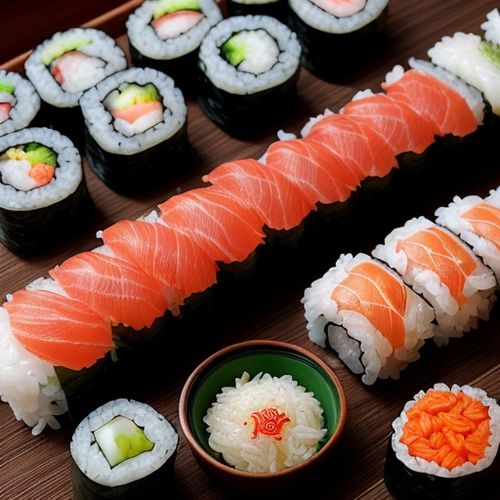
Harissa’s adaptability has made it a darling of international chefs. In Parisian bistros, it spices up aioli for fries. Brooklyn pizzerias swirl it into ricotta for spicy-sweet pies. Tokyo ramen shops add a harissa tare to broth for North African umami. Yet these global interpretations often return to Tunisia—fusion restaurants in La Marsa now serve harissa-marinated sushi, completing a flavorful circle of exchange.
Preservation and Innovation
While traditional harissa remains sacred (protected by a 2021 geographical indication), Tunisian producers innovate. Organic versions feature deglet nour date paste for sweetness, while luxury lines infuse truffle or saffron. Home cooks experiment with additions like rose petals or preserved lemon, proving harissa’s formula welcomes creativity while staying true to its spicy soul.
To cook with harissa is to engage with Tunisia’s essence—its love of bold flavors, its hospitality expressed through shared meals, its history written in spice routes. That first taste—smoky, garlicky, with building warmth—explains why this paste has traveled from Berber villages to global pantries. In a world of fleeting food trends, harissa endures, reminding us that the most powerful flavors often come in small jars, waiting to ignite our next culinary adventure.
By David Anderson/Mar 29, 2025
By Sophia Lewis/Mar 29, 2025
.jfif)
By Emily Johnson/Mar 29, 2025
By Lily Simpson/Mar 29, 2025
By Emily Johnson/Mar 29, 2025
By Natalie Campbell/Mar 29, 2025
By Thomas Roberts/Mar 29, 2025
By Olivia Reed/Mar 29, 2025
By Daniel Scott/Mar 29, 2025
By William Miller/Mar 29, 2025
By George Bailey/Mar 29, 2025
By William Miller/Mar 29, 2025
By Amanda Phillips/Mar 29, 2025
By Christopher Harris/Mar 29, 2025
By Megan Clark/Mar 29, 2025
By Sarah Davis/Mar 29, 2025
By Samuel Cooper/Mar 29, 2025
By Victoria Gonzalez/Mar 29, 2025
By Olivia Reed/Mar 29, 2025