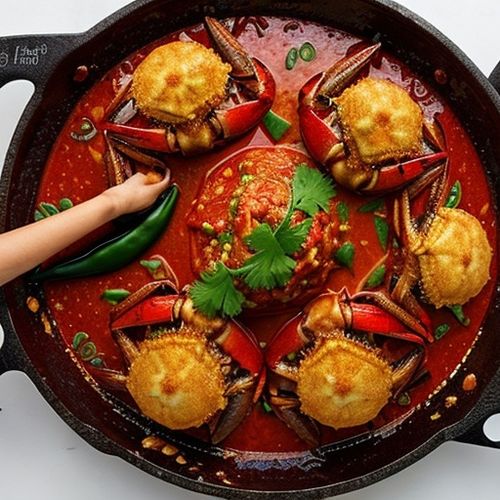
At hawker centers and seafood restaurants across Singapore, one dish consistently steals the show—the glorious, sauce-drenched chili crab. More than just a meal, this culinary masterpiece represents the soul of Singaporean cuisine, where Chinese wok techniques, Malay spices, and Western influences collide in a riot of flavor.
The true magic lies not in the crab itself, though the meat must be fresh and succulent, but in the complex sauce that clings to each claw and shell—a perfect balance of fiery chili, tangy tomato, rich egg, and aromatic spices. Getting this sauce right is both science and art, demanding precision in ingredients, timing, and technique to achieve that elusive harmony that has made Singapore chili crab world-famous.
The Foundation: Building Layers of Flavor
Great chili crab sauce begins with a carefully crafted base. Shallots, garlic, and ginger are minced finely and fried in oil until fragrant, their natural sweetness coaxed out by gentle heat. This aromatic trinity forms the backbone of the sauce, providing depth and complexity. Next comes the chili—traditionally a blend of fresh red chilies and sambal oelek for layered heat—fried just long enough to release its oils without turning bitter. The tomatoes, usually in paste form for concentrated flavor, join the party next, their acidity balancing the chili’s fire. This slow, methodical layering ensures no single note dominates, but each contributes to the sauce’s rich, rounded profile.
The Sweet-Tangy Equilibrium
What separates Singaporean chili crab from other spicy seafood dishes is its masterful sweet-sour balance. Sugar (sometimes palm sugar for caramel depth) tempers the chili’s burn, while vinegar or tamarind pulp adds a bright, fruity tang. The key lies in incremental adjustments—adding sweetness to soften the heat, then acidity to cut through the richness, tasting and tweaking until the flavors sing in harmony. Some chefs incorporate pineapple juice for natural sweetness or lime juice for extra zing, but the goal remains the same: a sauce that makes your lips tingle while keeping you reaching for more.
The Umami Boost: Secrets of Depth
Beyond the basics, masterful chili crab sauce employs umami-rich ingredients to elevate it from good to unforgettable. Fermented soybean paste (taucu) adds savory depth, while a splash of fish sauce provides saline complexity. The real magic happens when the crab itself joins the wok—its juices mingling with the sauce as it cooks, infusing every drop with briny sweetness. Some versions include a touch of oyster sauce or even ketchup (a colonial-era influence) for extra richness. These elements work subtly in the background, ensuring the sauce satisfies on a primal level while the chili and aromatics command attention.
The Egg Technique: Silkiness Personified
The final flourish—a beaten egg drizzled in at the last moment—transforms the sauce’s texture from merely thick to luxuriously silky. As the egg hits the hot liquid, it forms delicate ribbons that thicken without scrambling, creating a custard-like consistency that clings perfectly to the crab. Timing is crucial; add the egg too soon, and it disappears into the sauce; too late, and it cooks into visible strands. When done right, this step elevates the dish from rustic to refined, the egg’s richness tempering the sauce’s heat while adding visual appeal.
The Crab’s Role: More Than Just a Vehicle
While the sauce stars, the crab plays a crucial supporting role. Mud crabs are preferred for their sweet, firm flesh and ability to withstand vigorous stir-frying without turning rubbery. The shell’s nooks and crannies trap sauce, ensuring each bite delivers maximum flavor. Clever cracking of claws before cooking allows the sauce to penetrate deep, while quick wok-frying seals in the crab’s natural juices. This symbiotic relationship between crustacean and sauce—where each enhances the other—is what makes the dish greater than the sum of its parts.
Regional Variations: From Hawker to Haute
Across Singapore, chili crab adapts to context without losing its soul. Hawker center versions might be saucier and more aggressively spiced, meant to be mopped up with fried mantou buns. Upscale seafood restaurants often refine the sauce, straining it for silkiness or adding premium ingredients like lobster stock. Peranakan-influenced versions might include belacan (shrimp paste) for funkier depth, while some modern interpretations play with additions like coconut milk or lemongrass. What unites them is the foundational balance—that perfect interplay of heat, sweetness, and savoriness that defines Singaporean chili crab at its best.
The Eating Ritual: Messy by Design
Part of chili crab’s charm lies in its inherent messiness—this is food meant to be eaten with fingers, sauce smeared on cheeks, napkins piling up as diners suck every last bit of flavor from the shells. The accompanying mantou (fried buns) serve as edible utensils, perfect for sopping up leftover sauce. This tactile experience transforms the meal into an event, a shared indulgence where etiquette takes a backseat to pleasure.
Global Adaptations and Enduring Traditions
From New York to Tokyo, chefs have put their spin on chili crab—some successfully (chili crab pasta, anyone?), others less so (chili crab pizza remains controversial). Yet the most authentic experiences still require Singapore’s unique context: the humid air, the clatter of hawker center plates, the cold Tiger beer served alongside. As Singapore’s food culture gains UNESCO recognition, traditional techniques are being preserved even as innovative chefs push boundaries.
To taste properly executed Singapore chili crab is to understand the nation’s culinary soul—bold yet balanced, innovative yet rooted, messy yet refined. That first bite—succulent crab meat swathed in glossy, egg-thickened sauce that makes your tongue tingle then sigh—explains why this dish has become synonymous with Singaporean cuisine. In a world of fleeting food trends, chili crab endures as proof that when technique, tradition, and unapologetic flavor collide, magic happens. Whether enjoyed at a plastic-covered table by East Coast Park or attempted at home with care, every saucy, spicy mouthful celebrates Singapore’s greatest gift to global gastronomy: the art of making complexity taste simple, and indulgence feel like home.
By David Anderson/Mar 29, 2025
By Sophia Lewis/Mar 29, 2025
.jfif)
By Emily Johnson/Mar 29, 2025
By Lily Simpson/Mar 29, 2025
By Emily Johnson/Mar 29, 2025
By Natalie Campbell/Mar 29, 2025
By Thomas Roberts/Mar 29, 2025
By Olivia Reed/Mar 29, 2025
By Daniel Scott/Mar 29, 2025
By William Miller/Mar 29, 2025
By George Bailey/Mar 29, 2025
By William Miller/Mar 29, 2025
By Amanda Phillips/Mar 29, 2025
By Christopher Harris/Mar 29, 2025
By Megan Clark/Mar 29, 2025
By Sarah Davis/Mar 29, 2025
By Samuel Cooper/Mar 29, 2025
By Victoria Gonzalez/Mar 29, 2025
By Olivia Reed/Mar 29, 2025