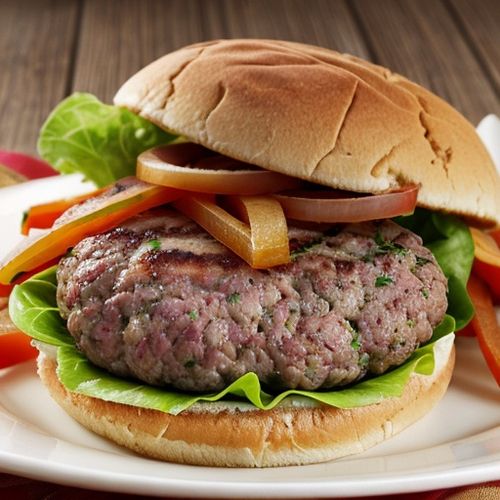
In the shadow of Dubai’s skyscrapers and across the golden dunes of Abu Dhabi’s Empty Quarter, a culinary revolution is sizzling—camel meat burgers, the UAE’s bold fusion of Bedouin heritage and modern gastronomy.
Once reserved for special occasions in desert camps, lean, protein-rich camel meat has broken free from traditional stews and found its way into sleek burger buns, topped with date-infused sauces and locally sourced truffles. This isn’t just novelty dining; it’s a celebration of Emirati identity, where the sustainable meat of the desert meets global fast-food culture, creating a distinctly Arabian twist on a universal favorite.
The Camel Meat Advantage: Lean, Sustainable, and Flavorful
Unlike beef, camel meat boasts a remarkable nutritional profile—50% less fat, higher iron content, and rich in unsaturated fatty acids. The flavor, often described as a cross between grass-fed beef and lamb with a subtle gamey sweetness, comes from the animals’ natural diet of desert shrubs like ghaf and arraj. Local farms now raise camels specifically for gourmet markets, ensuring tender, well-marbled cuts for burgers. The meat’s low cholesterol levels and high protein have made it a hit with health-conscious foodies, while its status as a traditional Emirati ingredient adds cultural cachet to every bite.
The Spice Alchemy: Balancing Earthy and Aromatic
Camel’s distinctive taste demands thoughtful seasoning. Emirati chefs often use loomi (dried black lime) for citrusy depth, za’atar for herbal notes, and a touch of cardamom to enhance the meat’s natural sweetness without overwhelming it. Some blends incorporate samak spice mix—a coastal Emirati blend featuring dried shrimp powder that adds umami complexity. The spices aren’t just mixed into the patty; they’re often combined with minced camel fat (harvested from the hump) to create self-basting burgers that stay juicy even when cooked to medium-well. This careful balance respects the meat’s heritage while appealing to modern palates.
The Bun Factor: Dates, Saffron, and Local Flavors
No ordinary buns cradle these desert delicacies. Many UAE chefs use khameer bread—a slightly sweet Emirati flatbread enriched with yogurt and saffron—to sandwich the patty. Gourmet versions might feature buns baked with date molasses for caramelized sweetness or sprinkled with sidr honey powder for a fragrant crunch. The bread’s role is crucial: substantial enough to hold up to the juicy patty yet soft enough to complement rather than compete with the camel meat’s unique texture.
Sauces with a Story: From Date Glaze to Truffle Laban
Traditional Emirati flavors elevate the condiments. Dibs el tamer (date syrup) reduced with balsamic vinegar creates a sticky-sweet glaze, while laban (fermented camel milk yogurt) mixed with black truffles offers creamy tang. Some chefs drizzle chami sauce—a garlicky green chili paste borrowed from Bedouin breakfast traditions—for heat that cuts through the meat’s richness. These aren’t mere toppings; they’re cultural touchpoints that connect each bite to the UAE’s culinary history.
The Cooking Technique: Respecting the Meat
Camel burgers require finesse—overcooking turns them dry due to minimal fat content. Smart chefs cook them over moderate heat, often on saj griddles that retain even temperature, and pull them off at medium-rare (140°F internal temperature). Some mix in minced camel hump fat or bind the patties with chickpea flour for moisture retention. The result? A burger that’s slightly denser than beef but packed with savory depth, its crust caramelized with spices while the interior remains rosy and tender.
From Food Trucks to Five-Star: The Camel Burger’s Rise
What began as a novelty at Dubai’s Al Fanar restaurant has gone mainstream. BurgerFuel chains now offer camel patties, while luxury hotels like the Burj Al Arab serve Wagyu-camel hybrid burgers with gold leaf. At the annual Camel Festival in Al Dhafra, food stalls craft inventive versions stuffed with halloumi or topped with molecular date caviar. This spectrum—from casual to haute—proves camel meat’s versatility and the UAE’s flair for reinventing tradition.
Sustainability Story: The Eco-Conscious Choice
With one of the lowest carbon footprints among livestock (camels need minimal water and thrive on desert plants), camel meat is gaining global attention as climate-conscious protein. UAE initiatives like ICBA (International Center for Biosaline Agriculture) promote camel farming as a sustainable alternative to water-intensive beef. This environmental narrative adds another layer to the burger’s appeal, making indulgence feel responsible.
Eating a camel burger in the UAE isn’t just about taste—it’s a multisensory immersion into Bedouin resilience and modern Emirati innovation. That first bite, with its earthy spices and faint sweetness, carries the scent of desert winds and the ingenuity of a nation that turned survival food into gourmet craft. In a world of homogenized fast food, the camel burger stands proud—a delicious declaration that tradition can be trendy, and sustainability can be satisfying. Whether enjoyed at a Dubai food festival or attempted at home with ethically sourced meat, each juicy mouthful celebrates the UAE’s culinary confidence—one where the "ship of the desert" sails boldly into the future.
By David Anderson/Mar 29, 2025
By Sophia Lewis/Mar 29, 2025
.jfif)
By Emily Johnson/Mar 29, 2025
By Lily Simpson/Mar 29, 2025
By Emily Johnson/Mar 29, 2025
By Natalie Campbell/Mar 29, 2025
By Thomas Roberts/Mar 29, 2025
By Olivia Reed/Mar 29, 2025
By Daniel Scott/Mar 29, 2025
By William Miller/Mar 29, 2025
By George Bailey/Mar 29, 2025
By William Miller/Mar 29, 2025
By Amanda Phillips/Mar 29, 2025
By Christopher Harris/Mar 29, 2025
By Megan Clark/Mar 29, 2025
By Sarah Davis/Mar 29, 2025
By Samuel Cooper/Mar 29, 2025
By Victoria Gonzalez/Mar 29, 2025
By Olivia Reed/Mar 29, 2025