Hospitality is deeply rooted in Saudi Arabian culture, reflecting the values of generosity, respect, and tradition. Among the most cherished customs is the serving of dates (tamr) and Arabic coffee (qahwa arabiya) to guests. These offerings are more than just refreshments—they symbolize warmth, honor, and a shared cultural heritage. Understanding the etiquette behind this tradition is essential for anyone visiting or engaging with Saudi society. This guide explores the significance, preparation, and proper manners associated with dates and Arabic coffee in Saudi hospitality.
The Cultural Significance of Dates and Arabic Coffee
Dates and Arabic coffee hold a special place in Saudi Arabian heritage, dating back centuries. The date palm is often referred to as the "tree of life" due to its historical importance in providing sustenance in the harsh desert environment. Serving dates to guests is a gesture of goodwill, reflecting the host’s generosity. Similarly, Arabic coffee, with its unique preparation and serving rituals, is a cornerstone of social gatherings. Together, they form an inseparable pair in Saudi hospitality, embodying the nation’s deep-rooted traditions.
The serving of these items is not merely a casual act but a structured practice steeped in cultural meaning. From royal palaces to humble households, the ritual remains consistent, reinforcing social bonds and mutual respect. Whether in business meetings or family gatherings, the presence of dates and coffee signifies a welcoming atmosphere.
The Preparation of Arabic Coffee
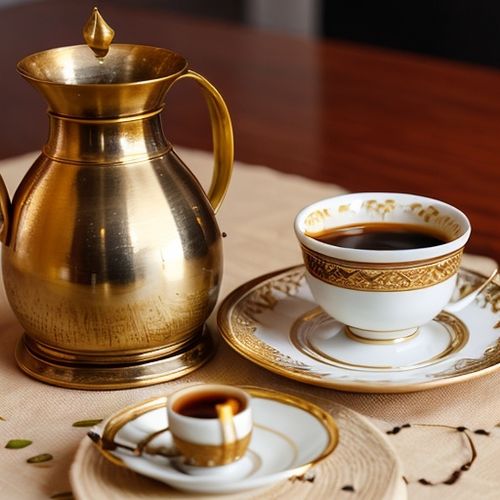
Arabic coffee is distinct from other coffee varieties in both flavor and preparation. Made from lightly roasted coffee beans, it is infused with cardamom and sometimes saffron or cloves, giving it a delicate, aromatic taste. The preparation process is meticulous, involving boiling the coffee in a special pot called a dallah and allowing it to simmer to achieve the perfect strength.
The coffee is traditionally served in small, handleless cups known as finjan, filled only halfway to allow guests to enjoy multiple servings without it cooling too quickly. The host pours the coffee with their right hand while holding the dallah in the left, a practice rooted in Islamic etiquette. The light golden color and fragrant aroma are key indicators of well-prepared Arabic coffee, and serving it correctly is a mark of respect for the guest.
The Role of Dates in Saudi Hospitality
Dates are an essential accompaniment to Arabic coffee, providing a natural sweetness that balances the coffee’s slightly bitter notes. In Saudi culture, offering dates is a sign of prosperity and goodwill. The most prized varieties, such as Ajwa, Sukkari, and Khalas, are often reserved for special guests.
Before serving, dates are carefully arranged on a decorative platter, sometimes alongside almonds or other dried fruits. Guests are expected to take an odd number of dates—usually one, three, or five—as this is considered a Sunnah (a practice of the Prophet Muhammad). The combination of dates and coffee is not only a culinary tradition but also a symbolic act of sharing blessings and fostering connections.
The Etiquette of Serving and Receiving
The manner in which dates and Arabic coffee are served follows a strict yet graceful protocol. The host or a designated server begins by offering coffee to the eldest or most honored guest first, moving clockwise around the group. When receiving the cup, it is polite to hold it with the right hand as a sign of respect. Sipping slowly rather than consuming it all at once is encouraged, as refills are customary.
A guest may decline further servings by gently shaking the cup from side to side. However, refusing the initial offering is considered impolite unless done for health or religious reasons. Similarly, when dates are presented, guests should partake in them as a gesture of appreciation for the host’s generosity.
Modern Adaptations of the Tradition
While the core traditions remain unchanged, modern Saudi society has seen some adaptations in how dates and coffee are served. Upscale restaurants and corporate settings may present them in contemporary styles, yet the underlying customs persist. International visitors are often introduced to this tradition as a way of bridging cultural gaps, showcasing Saudi Arabia’s rich heritage.
Even in fast-paced environments, the ritual maintains its significance, reinforcing social and business relationships. Whether in a Bedouin tent or a luxury hotel, the serving of dates and Arabic coffee continues to be a timeless expression of Saudi hospitality.
The tradition of serving dates and Arabic coffee is a beautiful reflection of Saudi Arabia’s culture of generosity and respect. From the careful preparation to the elegant serving customs, every detail holds meaning. For visitors and business travelers, understanding and participating in this ritual is a way to show appreciation for local traditions. More than just food and drink, dates and Arabic coffee are symbols of connection, making them an enduring and cherished part of Saudi hospitality.
By honoring these customs, one not only enjoys a delightful sensory experience but also gains deeper insight into the values that shape Saudi society. Whether you are a guest or a host, embracing this tradition ensures meaningful and respectful interactions.
By David Anderson/Mar 29, 2025
By Sophia Lewis/Mar 29, 2025
.jfif)
By Emily Johnson/Mar 29, 2025
By Lily Simpson/Mar 29, 2025
By Emily Johnson/Mar 29, 2025

By Natalie Campbell/Mar 29, 2025
By Thomas Roberts/Mar 29, 2025
By Olivia Reed/Mar 29, 2025
By Daniel Scott/Mar 29, 2025
By William Miller/Mar 29, 2025
By George Bailey/Mar 29, 2025
By William Miller/Mar 29, 2025
By Amanda Phillips/Mar 29, 2025

By Christopher Harris/Mar 29, 2025
By Megan Clark/Mar 29, 2025

By Sarah Davis/Mar 29, 2025
By Samuel Cooper/Mar 29, 2025
By Victoria Gonzalez/Mar 29, 2025

By Olivia Reed/Mar 29, 2025