In the bustling markets of Tel Aviv and the quiet kitchens of Jerusalem, one culinary constant unites Israelis across cultures and creeds—hummus. This creamy blend of chickpeas, tahini, lemon, and garlic has transcended its humble origins to become a national obsession, a blank slate for culinary creativity, and a dish so revered it sparks friendly rivalries over who makes it best.
Far from the pre-packaged dips found abroad, authentic Israeli hummus is a living tradition, evolving daily in home kitchens and dedicated hummusiyas (hummus restaurants) where it’s treated not as an appetizer, but as the main event.
The Foundation: Crafting the Perfect Base
Great hummus begins with dried—never canned—chickpeas, soaked overnight and simmered until they surrender completely to the touch. The cooking water, rich with starch and flavor, becomes the key to achieving ethereal lightness when blended with tahini (sesame paste) of just the right toastiness. Lemon juice must be freshly squeezed, its acidity brightening without overpowering, while garlic—roasted for depth or raw for punch—is added with precision. The final texture walks a tightrope between silky and substantial, smooth enough to spread but thick enough to hold its shape on a pita. This deceptively simple alchemy separates mass-produced imitations from the real deal.
Regional Rivalries: North vs South
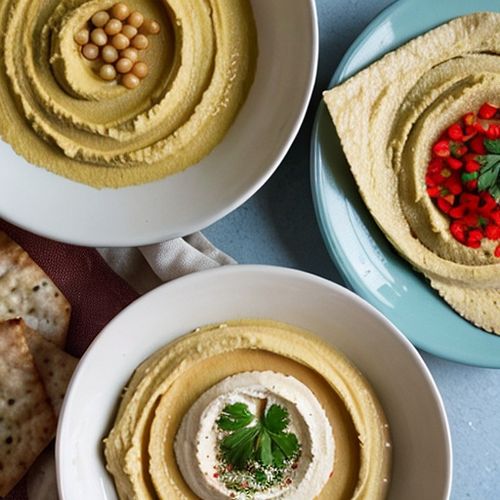
Israel’s compact geography belies its hummus diversity. In the Galilee, Druze villages pride themselves on hummus msabbaha—a chunky, warm version where whole chickpeas float in tahini broth. Jerusalem’s Armenian quarter favors a denser, garlic-heavy style served with hard-boiled eggs. Tel Aviv’s modern chefs might swirl in roasted red peppers or avocado, while southern Bedouin versions incorporate wild herbs like hyssop. These variations aren’t deviations but celebrations of local identity, proving hummus adapts without losing its soul.
The Topping Spectrum: From Simple to Sublime
At a proper hummusiya, the base is just the beginning. Hummus ful crowns the cream with slow-cooked fava beans and a glug of olive oil. Hummus with mushrooms features earthy porcini sautéed in butter. The iconic hummus with whole chickpeas showers the surface with warm, buttery legumes and parsley. Adventurous spots might top it with spicy s’chug paste, caramelized onions, or even shrimp—each addition transforming the dish while letting the chickpea foundation shine. These toppings aren’t mere garnishes but integral components that create new flavor symphonies with every bite.
The Bread Equation: Pita and Beyond
Fresh, pillowy pita is hummus’s traditional partner—warm from the oven and torn (never cut) for maximum sauce-absorbing surface area. But Israelis have expanded the repertoire: crunchy laffa bread wraps hummus with salads and pickles, while fried ka’ak rings become edible spoons. Health-conscious cafes now serve hummus with raw vegetable crudités, but purists maintain that only starch can properly showcase the dip’s texture. The bread’s role transcends utility; its warmth and chew create the perfect contrast to hummus’s cool creaminess.
Breakfast, Lunch, and Midnight Snack
Unlike Western hummus-as-dip formality, Israelis integrate it into all meals. Dawn finds construction workers fueling up on hummus with boiled eggs and pickles. Office workers grab sabich-hummus hybrids for lunch. Post-club revelers crowd 24-hour hummus spots for hummus with shakshuka at 3 AM. This round-the-clock versatility stems from hummus’s perfect macronutrient balance—protein-rich chickpeas, healthy fats from tahini, and complex carbs—making it both comfort food and fuel.
The Ritual of Eating
There’s an art to the hummus meal. First, use the spoon to create a well in the center for olive oil. Drag pita wedges from rim to center, gathering the perfect topping-to-base ratio. Alternate bites with pickles and raw onion for palate cleansing. Leave no trace—a true aficionado cleans the plate with final bread scraps. This tactile, communal experience turns eating into ceremony, where conversation flows as freely as the mint lemonade.
Global Fusions, Local Roots
As hummus conquers global menus, Israel’s chefs reinterpret it with local twists. Upscale restaurants might serve deconstructed hummus with truffle oil or smoked paprika foam. Home cooks blend in roasted eggplant or beetroot for colorful variations. Yet the classic remains sacrosanct—even modernist chefs agree some traditions shouldn’t be tampered with.
To understand Israel through its food, start with hummus—a dish that mirrors the country’s diversity, adaptability, and passion. That first creamy bite, followed by the crunch of fresh vegetable or warm pita, explains why this ancient preparation endures. In a region of divisions, hummus remains common ground—vegan yet satisfying, simple yet profound, traditional yet endlessly reinvented. Whether scooped at a Haifa street stall or crafted in a Michelin-starred kitchen, it stands as edible proof that greatness often lies in perfecting the basics, then having the courage to play.
By David Anderson/Mar 29, 2025
By Sophia Lewis/Mar 29, 2025
.jfif)
By Emily Johnson/Mar 29, 2025
By Lily Simpson/Mar 29, 2025
By Emily Johnson/Mar 29, 2025
By Natalie Campbell/Mar 29, 2025
By Thomas Roberts/Mar 29, 2025
By Olivia Reed/Mar 29, 2025
By Daniel Scott/Mar 29, 2025
By William Miller/Mar 29, 2025
By George Bailey/Mar 29, 2025
By William Miller/Mar 29, 2025
By Amanda Phillips/Mar 29, 2025
By Christopher Harris/Mar 29, 2025
By Megan Clark/Mar 29, 2025
By Sarah Davis/Mar 29, 2025
By Samuel Cooper/Mar 29, 2025
By Victoria Gonzalez/Mar 29, 2025
By Olivia Reed/Mar 29, 2025