Injera: Ethiopia’s Living Fermentation Masterpiece

Mar 29, 2025 By Olivia Reed

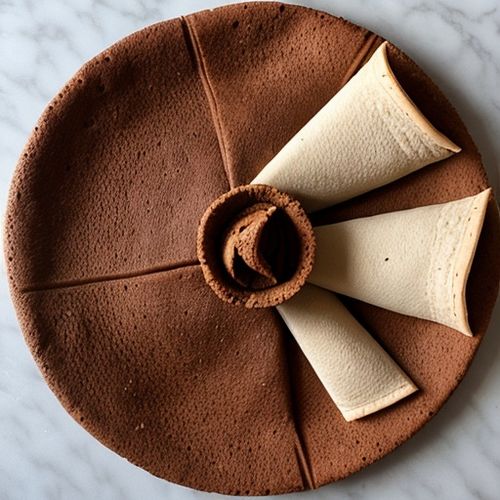
In the highlands of Addis Ababa and the clay kitchens of rural Tigray, a centuries-old alchemy transforms humble teff flour into Ethiopia’s culinary crown jewel—injera. This spongy, crepe-like flatbread, with its distinctive sour tang and porous texture, is far more than mere sustenance; it’s the edible foundation of communal dining, a natural probiotic powerhouse, and a testament to fermentation wisdom passed through generations.


Unlike any other bread on earth, injera serves simultaneously as plate, utensil, and flavor vehicle—its slightly effervescent surface cradling spicy stews while absorbing their essence. The magic lies not in high-tech ovens but in patient microbial cultivation, where wild yeasts and bacteria work their slow magic in hand-woven baskets, turning simple batter into something extraordinary.


The Teff Imperative: Grain as Cultural Heritage

At injera’s heart lies teff—an ancient grain so small (a single grain is the size of a poppy seed) it defies mechanized milling. Grown almost exclusively in Ethiopia’s high-altitude fields, this gluten-free powerhouse lends injera its signature nutty flavor and impressive nutritional profile. The grain’s cultural significance runs deep—Ethiopian farmers have cultivated over 3,000 teff varieties, from ivory-white to deep burgundy, each imparting subtle flavor differences. White teff yields milder, slightly sweet injera preferred for ceremonial meals, while darker varieties produce earthier, more robust bread for everyday use. This biodiversity, protected by Ethiopian law from commercial export until recently, makes teff one of humanity’s last undiluted agricultural treasures.


The Starter Legacy: Fermentation as Living Heirloom

Every injera begins with ersho—a fermented starter often decades old, passed down matrilineally like sourdough cultures in San Francisco. This gelatinous, slightly alcoholic slurry (created from previous batches’ liquid) teems with wild yeasts and lactic acid bacteria unique to each household’s microbiome. The starter isn’t merely added; it’s nurtured—fed with teff flour and water, kept warm under wool blankets, and sometimes whispered to (as tradition holds) to encourage fermentation. This living culture does more than leaven; it predigests the grain, enhancing nutrient absorption while creating the bread’s signature sourness—a flavor profile ranging from pleasantly tangy to bracingly acidic depending on regional preferences.


The Batter Alchemy: Timing is Everything

Creating injera batter is a multi-day ritual of observation and adjustment. Teff flour mixes with water into a thin slurry, then welcomes the starter like an old friend. The mixture ferments in clay pots or plastic buckets (never metal, which reacts with acids), its surface bubbling like a miniature swamp as microbes work. Ambient temperature dictates fermentation speed—three days in warm lowlands, up to a week in cooler high altitudes. Skilled cooks judge readiness by aroma (pleasantly sour, never putrid), texture (strands of gluten-like elasticity despite being gluten-free), and the telltale hiss of carbon dioxide escaping when stirred. This biological clock can’t be rushed—attempting shortcuts yields flat, flavorless results.


The Cooking Paradox: No Oil, No Flip

Injera defies conventional pancake logic. A specialized clay griddle (mitad) or modern electric plate heats to precisely 180°C (356°F)—hot enough to create instant bubbles but not so hot as to burn. The batter pours in a spiral from a robel (traditional pitcher), spreading into a perfect circle without manipulation. Unlike French crepes, injera never flips; unlike American pancakes, it requires no oil. The heat seals the bottom into delicate lace while the top transforms into a spongy matrix of “eyes”—those signature pores that make injera nature’s perfect sauce absorber. Mastering the pour takes years—too thick, and the bread becomes doughy; too thin, and it tears when used to scoop stew.


The Sour Spectrum: From Mild to Wild

Injera’s acidity level speaks volumes about its origins. Addis Ababa versions tend toward balanced tang—pleasant but not overwhelming. Tigray’s highland injera dials up the sourness to palate-searing levels, while Harari styles near the Somali border mellow the acidity with sorghum blends. This variation isn’t accidental; the sourness developed as natural preservation in warmer regions while doubling as a flavor enhancer for spicy wat stews. Modern health research confirms what Ethiopians knew instinctively—the lactic acid bacteria that create this sourness also populate the gut with probiotics, making injera both delicious and digestive.


The Communal Canvas: Bread as Plate

Injera’s true brilliance shines at the mesob (woven dining table). Large sheets drape over communal platters, their porous surface ready to soak up doro wat (chicken stew), misir (spiced lentils), and gomen (collard greens). Smaller rolled injera serve as edible utensils—diners tear off pieces to scoop bites, ensuring every morsel combines bread and topping in perfect harmony. This interactive dining style turns meals into social events, where sharing from the same platter symbolizes trust and unity. The bread’s slight effervescence even acts as a natural palate cleanser between fiery bites.


Nutritional Wisdom: Ancient Superfood

Long before “functional foods” became trendy, injera delivered complete nutrition. Teff’s high calcium, iron, and resistant starch content—amplified by fermentation—made it ideal for Ethiopia’s historically meat-light diet. The lactic acid bacteria increase folate and B vitamins while breaking down phytic acid that inhibits mineral absorption. This nutritional synergy explains why injera sustained communities through lean times without causing the blood sugar spikes of modern wheat breads—a fact that now attracts global health enthusiasts.


Global Adaptations, Ethiopian Soul

As teff gains international popularity (despite export restrictions meant to protect domestic supply), global chefs experiment with injera-inspired creations—quinoa-based versions in health food cafes, buckwheat blends in gluten-free bakeries. Yet purists argue true injera requires not just teff but Ethiopia’s unique microbial terroir. Some diaspora communities mail-order starters from relatives back home, while scientists now study the unique Lactobacillus strains that give authentic injera its irreplicable tang.


To tear into freshly made injera is to taste Ethiopia’s resilience—how a nation preserved its culinary identity despite political upheavals and famines. That first spongy bite, with its interplay of sour and earthy notes, connects eaters to generations of women who nurtured starters through droughts and celebrations alike. In our era of instant bread and disposable culture, injera stands as a slow food monument—proof that some of humanity’s greatest flavors come not from industrial shortcuts, but from cooperating with microbes, time, and tradition. Whether enjoyed in a bustling Addis Ababa eatery or attempted in a Brooklyn kitchen with precious teff flour, each bubbly, sourdough-soft bite celebrates the art of fermentation at its most deliciously primal.
Recommend Posts
Food

Algerian Couscous: The Crown Jewel of Festive Dining

By David Anderson/Mar 29, 2025

In Algeria, couscous is far more than just a dish—it is a cultural institution that brings families and communities together. Nowhere is this more evident than during festive occasions, where this beloved North African staple takes center stage on dining tables across the country. Recognized by UNESCO as part of humanity's intangible cultural heritage, Algerian couscous represents tradition, hospitality, and celebration. This article explores the special place of couscous in Algerian holiday feasts, examining its preparation, regional variations, and the social rituals that surround this iconic dish.
Food

Saudi Arabian Hospitality: The Art of Serving Dates and Arabic Coffee

By Sophia Lewis/Mar 29, 2025

Hospitality is deeply rooted in Saudi Arabian culture, reflecting the values of generosity, respect, and tradition. Among the most cherished customs is the serving of dates (tamr) and Arabic coffee (qahwa arabiya) to guests. These offerings are more than just refreshments—they symbolize warmth, honor, and a shared cultural heritage. Understanding the etiquette behind this tradition is essential for anyone visiting or engaging with Saudi society. This guide explores the significance, preparation, and proper manners associated with dates and Arabic coffee in Saudi hospitality.
Food

Bint al Sahn: Yemen’s Golden Honeyed Masterpiece

By Emily Johnson/Mar 29, 2025

In the ancient alleyways of Sana’a and the mountain villages of Yemen’s Haraz region, the aroma of freshly baked Bint al Sahn—"Daughter of the Plate"—fills homes during celebrations and Friday gatherings. This intricate, honey-drenched layered bread isn’t just dessert; it’s an edible heirloom, its recipe whispered through generations like a cherished folktale. With its delicate, tissue-thin dough stacked high and glistening with golden Yemeni sidr honey, each bite carries the legacy of the Queen of Sheba’s legendary banquets and the ingenuity of Yemeni women who turned simple ingredients into culinary art.
Food

Harissa: Tunisia’s Fiery Culinary Ambassador

By Lily Simpson/Mar 29, 2025

In the sunbaked markets of Tunis and the coastal kitchens of Sfax, one ingredient reigns supreme—harissa, the vibrant chili paste that forms the pulsating heart of Tunisian cuisine. More than just a condiment, this aromatic blend of smoked red peppers, garlic, coriander, and caraway embodies Tunisia’s crossroads identity, where Berber traditions meet Mediterranean flavors and Saharan spice routes. Whether smeared on crusty bread, stirred into stews, or whisked into salad dressings, harissa’s smoky heat and complex depth elevate even the simplest dishes into memorable experiences. Its versatility knows no bounds, making it as indispensable in a Tunisian home as olive oil or salt.
Food

Ugali and Stew: Kenya’s Comfort Food Symphony

By Emily Johnson/Mar 29, 2025

In the bustling markets of Nairobi and the rural homesteads of the Rift Valley, one culinary duo defines Kenyan mealtime—ugali, the dense maize porridge, served alongside rich, flavorful stews. More than just sustenance, this pairing represents the soul of Kenyan hospitality, where simplicity meets depth, and communal dining becomes an act of connection. Ugali’s neutral, comforting presence provides the perfect canvas for the vibrant, often fiery stews that accompany it, creating a balance that has nourished generations. Whether enjoyed in a city eatery or under the shade of an acacia tree, this combination tells the story of Kenya’s agricultural roots, cultural diversity, and unwavering love for hearty, satisfying food.
Food

Camel Meat Burgers: The UAE’s Desert Culinary Revolution

By Natalie Campbell/Mar 29, 2025

In the shadow of Dubai’s skyscrapers and across the golden dunes of Abu Dhabi’s Empty Quarter, a culinary revolution is sizzling—camel meat burgers, the UAE’s bold fusion of Bedouin heritage and modern gastronomy. Once reserved for special occasions in desert camps, lean, protein-rich camel meat has broken free from traditional stews and found its way into sleek burger buns, topped with date-infused sauces and locally sourced truffles. This isn’t just novelty dining; it’s a celebration of Emirati identity, where the sustainable meat of the desert meets global fast-food culture, creating a distinctly Arabian twist on a universal favorite.
Food

Tahdig: Iran’s Golden Crown of Rice

By Thomas Roberts/Mar 29, 2025

In the aromatic kitchens of Tehran and Isfahan, where the scent of saffron and caramelized sugar lingers in the air, one culinary treasure reigns supreme—tahdig, the golden crust that forms at the bottom of Persian rice pots. Far more than mere burnt rice, this delicately crisp layer is the product of patience, precision, and generations of Iranian culinary wisdom. The word tahdig literally means "bottom of the pot," but to Iranians, it represents the soul of hospitality—the prized portion offered to honored guests, the subject of playful family battles over who gets the largest piece, and the ultimate test of a cook’s skill. Whether infused with saffron, studded with dried barberries, or laced with yogurt, this edible gold transforms simple grains into an art form.
Food

Injera: Ethiopia’s Living Fermentation Masterpiece

By Olivia Reed/Mar 29, 2025

In the highlands of Addis Ababa and the clay kitchens of rural Tigray, a centuries-old alchemy transforms humble teff flour into Ethiopia’s culinary crown jewel—injera. This spongy, crepe-like flatbread, with its distinctive sour tang and porous texture, is far more than mere sustenance; it’s the edible foundation of communal dining, a natural probiotic powerhouse, and a testament to fermentation wisdom passed through generations. Unlike any other bread on earth, injera serves simultaneously as plate, utensil, and flavor vehicle—its slightly effervescent surface cradling spicy stews while absorbing their essence. The magic lies not in high-tech ovens but in patient microbial cultivation, where wild yeasts and bacteria work their slow magic in hand-woven baskets, turning simple batter into something extraordinary.
Food

Biltong: South Africa’s Artisanal Air-Dried Obsession

By Daniel Scott/Mar 29, 2025

In the shadow of Table Mountain and across the sunbaked plains of the Karoo, a centuries-old preservation ritual yields one of Africa’s most iconic snacks—biltong. More than just dried meat, this spiced, air-cured delicacy represents the ingenuity of Dutch settlers, indigenous Khoisan techniques, and South Africa’s unique terroir. Unlike jerky’s uniform chewiness, properly made biltong offers a spectrum of textures—from moist, winey interior to crisp, spice-crusted edges—each slice telling the story of careful curing and patient drying. What began as survival food for Voortrekker wagons has become a national obsession, enjoyed at rugby games, braais (barbecues), and cosmopolitan wine bars alike.
Food

Tabbouleh: Lebanon’s Herb-Forward Culinary Poetry

By William Miller/Mar 29, 2025

In the sun-drenched kitchens of Beirut and the mountain villages of Mount Lebanon, a vibrant green symphony comes to life—tabbouleh, the iconic salad where parsley isn’t just an ingredient but the star. Far from the bulgur-heavy versions found abroad, authentic Lebanese tabbouleh is a celebration of freshness, a finely chopped herb festival punctuated by jewel-like pomegranate seeds and the occasional grain of wheat. This isn’t merely a side dish; it’s a cultural touchstone that embodies the Lebanese ethos of mezza—the art of transforming simple ingredients into shared culinary joy. With each bite, the bright acidity of lemon, the earthiness of olive oil, and the peppery burst of herbs transport you to terraced Lebanese gardens where food and tradition grow intertwined.
Food

Hummus: Israel's Versatile Chickpea Canvas

By George Bailey/Mar 29, 2025

In the bustling markets of Tel Aviv and the quiet kitchens of Jerusalem, one culinary constant unites Israelis across cultures and creeds—hummus. This creamy blend of chickpeas, tahini, lemon, and garlic has transcended its humble origins to become a national obsession, a blank slate for culinary creativity, and a dish so revered it sparks friendly rivalries over who makes it best. Far from the pre-packaged dips found abroad, authentic Israeli hummus is a living tradition, evolving daily in home kitchens and dedicated hummusiyas (hummus restaurants) where it’s treated not as an appetizer, but as the main event.
Food

The Irresistible Allure of Döner: Turkey's Street Food Icon

By William Miller/Mar 29, 2025

As dusk falls over Istanbul's bustling streets, a hypnotic aroma begins to weave through the air—the sizzle of seasoned meat slowly turning on a vertical spit, its juices dripping onto glowing embers below. This is döner kebab, Turkey's gift to global street food, where layers of marinated lamb, beef, or chicken are stacked into a towering cone and roasted to perfection. More than just a quick meal, döner represents a centuries-old culinary tradition perfected through Ottoman ingenuity and modern Turkish flair. The sight of a skilled ustá (master) shaving paper-thin slices of caramelized meat onto warm bread is a theater of temptation, drawing hungry crowds like moths to a flame.
Food

Penang Char Kway Teow: The Art of Wok Mastery

By Amanda Phillips/Mar 29, 2025

In the humid alleyways of George Town’s hawker centers, a symphony of clanging woks and billowing smoke signals the creation of Penang’s most iconic dish—char kway teow. This deceptively simple stir-fry of flat rice noodles, prawns, bloody cockles, eggs, and chives represents the pinnacle of Malaysian street food, where every element hinges on the cook’s mastery of wok hei—the elusive "breath of the wok." More than just a noodle dish, it’s a culinary tightrope walk between caramelization and tenderness, between smoky intensity and subtle balance, where seconds separate greatness from mediocrity. The difference lies not in the ingredients, which remain humble, but in the hawker’s ability to harness blistering heat with precision that borders on alchemy.
Food

Singapore Chili Crab: Mastering the Art of the Iconic Sauce

By Christopher Harris/Mar 29, 2025

At hawker centers and seafood restaurants across Singapore, one dish consistently steals the show—the glorious, sauce-drenched chili crab. More than just a meal, this culinary masterpiece represents the soul of Singaporean cuisine, where Chinese wok techniques, Malay spices, and Western influences collide in a riot of flavor. The true magic lies not in the crab itself, though the meat must be fresh and succulent, but in the complex sauce that clings to each claw and shell—a perfect balance of fiery chili, tangy tomato, rich egg, and aromatic spices. Getting this sauce right is both science and art, demanding precision in ingredients, timing, and technique to achieve that elusive harmony that has made Singapore chili crab world-famous.
Food

The Alchemy of Phở: Vietnam's 12-Hour Broth Revelation

By Megan Clark/Mar 29, 2025

Before dawn breaks over Hanoi's Old Quarter, a sacred ritual unfolds in steamy kitchen backrooms—the careful tending of massive pots where beef bones and spices undergo their slow metamorphosis into phở broth. This isn't mere soup-making; it's a culinary séance where patience and precision coax out flavors that define Vietnam's national dish. The difference between good phở and transcendent phở lies in those silent overnight hours when marrow, cinnamon, and star anise commune in bubbling liquid, their essences merging into something greater than the sum of their parts. More than just a noodle soup, a properly crafted bowl of phở represents the Vietnamese philosophy of ăn ngon—eating well as an act of cultural pride and personal joy.
Food

Budae Jjigae: Korea's Resilient Comfort Stew

By Sarah Davis/Mar 29, 2025

In the steamy kitchens of Seoul's late-night eateries, a bubbling cauldron tells an unexpected story of war, ingenuity, and cultural fusion. Budae jjigae—literally "army base stew"—emerged from the ashes of the Korean War as a delicious act of resistance, transforming American military surplus into something uniquely Korean. What began as a survival food made with smuggled Spam, hot dogs, and processed cheese has evolved into one of South Korea's most beloved comfort foods, its very existence a testament to the nation's ability to adapt foreign influences while preserving its culinary identity. This humble stew, now studded with kimchi, instant noodles, and fiery gochujang paste, represents how necessity can birth enduring tradition.
Food

Butter Chicken: India's Velvety Culinary Hug

By Samuel Cooper/Mar 29, 2025

In the smoky kitchens of Delhi's dhabas and high-end Indian restaurants worldwide, one dish consistently emerges as the ultimate crowd-pleaser—murgh makhani, better known as butter chicken. This deceptively simple combination of tandoori chicken swimming in a tomato-cream sauce represents the perfect marriage of Punjab's rustic cooking traditions with royal Mughal influences. The sauce alone—a complex ballet of charred tomatoes, caramelized onions, warming spices, and unapologetic amounts of butter—has sparked countless imitations but remains inimitable at its core. More than just curry, butter chicken embodies India's genius for transforming humble ingredients into luxurious comfort food, where every spoonful feels like a warm embrace.
Food

The Art of Tom Yum: Thailand's Mastery of Fiery-Sour Harmony

By Victoria Gonzalez/Mar 29, 2025

In the steamy kitchens of Bangkok's street food stalls and high-end restaurants alike, a single dish captures the essence of Thai culinary philosophy—tom yum goong, the iconic hot and sour soup that dances on the palate like a perfectly choreographed ballet. This deceptively simple broth, infused with the perfume of lemongrass and kaffir lime leaves, the heat of bird's eye chilies, and the tang of tamarind, represents centuries of refined balance. More than just soup, tom yum embodies the Thai concept of rot chart—the ideal harmony of flavors where no single element dominates, but each plays its part in creating something greater than the sum of its parts.
Food

The Soul of Sushi: Japan's Sacred Rice Craftsmanship

By Olivia Reed/Mar 29, 2025

In the hushed ambiance of Tokyo's elite sushi dens, where the morning's Tsukiji catch meets centuries of tradition, there exists an often-overlooked miracle—the perfect mound of sushi rice cradling that jewel-like slice of fish. Japanese sushi masters refer to this rice as shari ("Buddha's bones"), a term that reveals its spiritual significance in the sushi craft. While the world obsesses over bluefin tuna and sea urchin roe, true connoisseurs know the rice—its temperature, texture, and subtle seasoning—determines up to 70% of sushi's ultimate quality. This humble blend of grain, vinegar, and craftsmanship forms the edible foundation upon which Japan's most famous culinary export achieves transcendence.