In the aromatic kitchens of Tehran and Isfahan, where the scent of saffron and caramelized sugar lingers in the air, one culinary treasure reigns supreme—tahdig, the golden crust that forms at the bottom of Persian rice pots. Far more than mere burnt rice, this delicately crisp layer is the product of patience, precision, and generations of Iranian culinary wisdom.
The word tahdig literally means "bottom of the pot," but to Iranians, it represents the soul of hospitality—the prized portion offered to honored guests, the subject of playful family battles over who gets the largest piece, and the ultimate test of a cook’s skill. Whether infused with saffron, studded with dried barberries, or laced with yogurt, this edible gold transforms simple grains into an art form.
The Rice Ritual: Foundation of Perfection
Tahdig begins with Iran’s revered chelow rice—long-grain basmati aged for at least a year to develop its signature fragrance. The grains undergo a ceremonial washing, swirled in cold water until the runoff turns clear, removing excess starch that would make the rice gummy. A brief parboiling in salted water—timed to the second—ensures each grain remains separate yet tender. This preliminary cooking is just the overture; the true magic happens during the dam phase, where the rice steams gently over low heat, allowing the bottom layer to caramelize without scorching. The process mirrors Persian poetry—structured yet improvisational, where strict technique meets intuitive artistry.
The Saffron Alchemy: Sunlight in Every Grain
No discussion of tahdig is complete without saffron, Iran’s "red gold." A few precious threads steep in warm water or ice cubes (to better preserve volatile oils), releasing their sunset hue and honeyed aroma. This liquid gold is then drizzled over the rice before steaming, with some reserved for mixing with yogurt to create the iconic tahdig-e zafarooni (saffron tahdig). The saffron doesn’t just color the crust; it elevates it—its floral notes cutting through the richness, its earthy depth complementing the rice’s natural nuttiness. In Iranian homes, the intensity of a tahdig’s saffron hue often reflects the occasion’s importance, from pale gold for weekday meals to vibrant orange for Nowruz celebrations.
The Crisp Spectrum: From Lace to Leather
Tahdig textures vary as widely as Persian carpets. Delicate tahdig-e narm yields a lacy, translucent crust that shatters like caramelized sugar at the lightest touch. Heartier tahdig-e sakh forms a thicker, leathery layer prized for its chew. The difference lies in technique—oil quantity (generous for crispness, scant for chew), heat management (steady medium-low for even browning), and steaming time (30 minutes minimum, up to two hours for ceremonial dishes). Some masters achieve hybrid textures—crisp edges with a tender center—by carefully tilting the pot during cooking to distribute heat unevenly. This textural diversity ensures tahdig suits every mood, from ethereal accompaniment to stews to substantial snack eaten straight from the pot.
Beyond Rice: The Creative Canvas
While rice tahdig is classic, Persian cooks have turned the technique into an art form. Tahdig-e nan layers flatbread beneath the rice for a crispy-carb-on-carb revelation. Potato tahdig slices form a golden cake beneath the grains, while lettuce leaves create an unexpectedly delicate crispness. Sweet versions incorporate sliced oranges or pomegranate molasses, their caramelized sugars balancing savory mains. The most extravagant might feature sliced eggplant or even pasta, proving tahdig’s adaptability while maintaining its core principle—transform the ordinary into the extraordinary through heat and patience.
The Social Ritual: More Than Food
In Iranian culture, tahdig transcends culinary function. The audible gasp when flipping the pot signals a cook’s triumph (or occasional tragedy). Guests are ceremoniously offered the golden pieces—a gesture of respect that sparks polite refusals before eventual acceptance. Children learn to gauge family moods by the tahdig’s quality (perfect means good news; burnt suggests stress). This social dance around the rice pot binds generations, with grandmothers whispering secrets to grandchildren about judging doneness by aroma alone. The communal joy of breaking apart the crust turns meals into celebrations, where the crisp sound of tahdig yielding to spoon is the overture to conversation.
The Flip: Moment of Truth
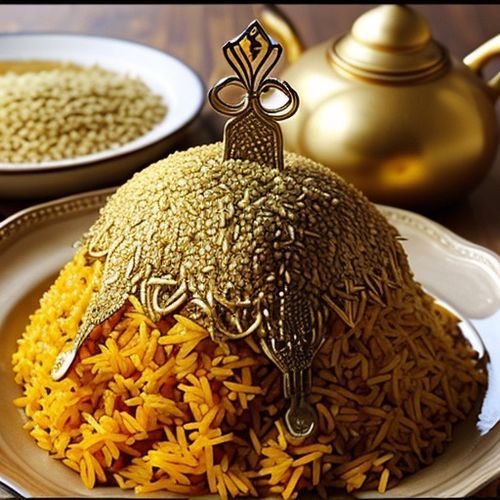
No moment in Persian cooking carries more drama than tahdig raft—the pot flip. After resting off-heat to loosen the crust, the cook places a platter over the pot, takes a deep breath (sometimes a prayer), and inverts everything with one decisive motion. Success reveals a golden dome intact; failure leads to scattered grains and good-natured teasing. Mastery requires intuition—knowing exactly when the crust has set but not stuck, a skill honed through years of near-misses. Some modern cooks cheat with nonstick pans, but purists insist the risk of traditional pots is essential to tahdig’s soul.
Global Fascination, Persian Roots
As Iranian diaspora spreads, tahdig has captivated global food scenes. New York restaurants feature "tahdig tacos," while London chefs experiment with quinoa versions. Yet the most authentic experiences remain in Iranian homes, where the scent of steaming rice and caramelizing crust evokes memories of family and homeland. UNESCO’s recognition of Persian cuisine as intangible cultural heritage has sparked renewed interest in traditional tahdig techniques, even as modern cooks adapt them to busy lives.
To bite into perfect tahdig—whether saffron-kissed or potato-based, lace-thin or satisfyingly thick—is to taste Persian hospitality at its finest. That first crisp shard giving way to fluffy rice beneath encapsulates Iran’s culinary philosophy: beauty in contrast, generosity in scarcity, and patience rewarded. In our fast-food world, tahdig stands as edible resistance—proof that some perfections can’t be rushed, and that the "burnt" bits we once discarded might actually be treasures. Whether shared at a Tehran dinner party or recreated oceans away with homesick care, each golden crust carries more than flavor; it’s a taste of history, a crunch of identity, and always, always, the best part of the pot.
By David Anderson/Mar 29, 2025
By Sophia Lewis/Mar 29, 2025
.jfif)
By Emily Johnson/Mar 29, 2025
By Lily Simpson/Mar 29, 2025
By Emily Johnson/Mar 29, 2025
By Natalie Campbell/Mar 29, 2025
By Thomas Roberts/Mar 29, 2025
By Olivia Reed/Mar 29, 2025
By Daniel Scott/Mar 29, 2025
By William Miller/Mar 29, 2025
By George Bailey/Mar 29, 2025
By William Miller/Mar 29, 2025
By Amanda Phillips/Mar 29, 2025
By Christopher Harris/Mar 29, 2025
By Megan Clark/Mar 29, 2025
By Sarah Davis/Mar 29, 2025
By Samuel Cooper/Mar 29, 2025
By Victoria Gonzalez/Mar 29, 2025
By Olivia Reed/Mar 29, 2025