Athol Fugard: The Fearless Voice Against Apartheid

Mar 14, 2025 By Ryan Martin

The death of Athol Fugard at the age of 92 marks the passing of one of South Africa's most influential and courageous playwrights. Known for his politically charged works that exposed the brutalities of apartheid, Fugard left an indelible mark on both South African and global culture. His plays, which often featured mixed-race casts and addressed the harsh realities of racial segregation, became a beacon of hope and resistance during one of the darkest periods in South Africa's history.


Born to an Afrikaner mother, Fugard grew up in a society deeply divided by racial lines. His early life was marked by the injustices of apartheid, a system that would later become the central theme of his work. Fugard's career as a playwright spanned over seven decades, during which he wrote more than 30 plays, each one a powerful critique of the social and political landscape of his time.


One of Fugard's earliest and most significant works was "The Blood Knot," which premiered in 1961. This groundbreaking play was the first in South Africa to feature both black and white actors performing in front of a multiracial audience. Fugard himself played one of the lead roles, defying the apartheid regime's laws that prohibited mixed casts and audiences. The play's success catapulted Fugard onto the international stage, drawing attention to the struggles faced by South Africans under apartheid. It was shown in the United States and adapted for British television, making Fugard a household name in the world of theater.


The apartheid regime, threatened by Fugard's work, confiscated his passport, but this only strengthened his resolve. Fugard continued to write and perform, often in clandestine settings. He worked closely with the Serpent Players, a group of black actors, performing in black townships despite constant harassment from the regime's security forces. His commitment to breaking racial barriers and exposing the injustices of apartheid made him a target, but it also solidified his reputation as a fearless artist.


Among Fugard's celebrated works is "Boesman and Lena," which premiered in 1969 and was later adapted into a film starring Danny Glover and Angela Bassett in 2000. The play explores the difficult circumstances of a mixed-race couple, highlighting the personal and societal challenges they faced under apartheid. Fugard's ability to capture the complexities of human relationships within the broader context of racial segregation made his plays both emotionally resonant and politically powerful.


Fugard's influence extended beyond the stage. His novel "Tsotsi" was adapted into a film that won the 2006 Oscar for Best Foreign Language Film. This success further cemented his reputation as a master storyteller whose work transcended cultural and linguistic barriers. Other notable plays include "Sizwe Banzi Is Dead" and "The Island," the latter of which he co-wrote with actors John Kani and Winston Ntshona. "The Island" is a powerful condemnation of life on Robben Island, where anti-apartheid icon Nelson Mandela was imprisoned. The play's raw portrayal of the dehumanizing conditions faced by political prisoners brought international attention to the struggles of South Africa's freedom fighters.


Fugard's work was not without its challenges. The apartheid regime's attempts to silence him only fueled his determination to speak out. His passport was confiscated, and he faced constant surveillance and harassment. Yet, Fugard remained undeterred, using his art as a weapon against oppression. His plays became a form of resistance, giving voice to the voiceless and exposing the injustices that many South Africans faced daily.


In recognition of his contributions, Fugard received numerous awards, including a lifetime achievement honor at the prestigious Tony Awards in 2011. Time magazine described him in 1985 as the greatest active playwright in the English-speaking world. Despite the accolades, Fugard remained humble, often crediting his work to the inspiration he drew from the resilience and strength of the South African people.


Even after the end of apartheid in 1994, Fugard continued to write, believing that the role of the writer was as important as ever. In a 2010 interview, he expressed concern that South Africa had "lost its way" and emphasized the need for vigilance among writers and playwrights. He believed that the responsibility to critique and challenge societal norms fell not just on him but on the next generation of artists. "It is a responsibility that young writers, playwrights, must really wake up to and understand that responsibility is theirs, just as it was mine and a host of other writers in the earlier years," he said.


Fugard's legacy is one of courage, resilience, and unwavering commitment to justice. His plays, which often featured complex characters and nuanced storytelling, challenged audiences to confront the harsh realities of apartheid. Through his work, Fugard humanized the struggles of South Africans, making their stories accessible to audiences around the world. His plays became a form of resistance, a way to fight against oppression through art.


In the words of South Africa's Arts and Culture Minister Gayton McKenzie, Fugard was "a fearless storyteller who laid bare the harsh realities of apartheid through his plays." McKenzie added, "We were cursed with apartheid, but blessed with great artists who shone a light on its impact and helped to guide us out of it. We owe a huge debt to this late, wonderful man."


Fugard's influence extended beyond the stage and into the hearts and minds of those who experienced his work. His plays inspired a generation of South Africans to fight for justice and equality, and his legacy continues to inspire artists and activists around the world. In a simple but heartfelt tribute on X, actor John Kani wrote, "I am deeply saddened by the passing of my dear friend Athol Fugard. May his soul rest in eternal peace. Elder 🌹"


Athol Fugard's life and work serve as a testament to the power of art to challenge injustice and inspire change. His plays, which often featured mixed-race casts and addressed the harsh realities of apartheid, became a beacon of hope and resistance. Fugard's legacy is one of courage, resilience, and unwavering commitment to justice. His work will continue to inspire future generations of artists and activists, reminding us of the transformative power of art in the face of oppression.


In the end, Athol Fugard's contributions to South African and global culture cannot be overstated. His plays, novels, and films remain timeless testaments to the human spirit's resilience and the enduring power of storytelling. As South Africa and the world mourn his passing, we are reminded of the importance of vigilance and the responsibility of artists to challenge societal norms and fight for justice. Fugard's legacy will continue to inspire and guide us, ensuring that his voice and vision live on for generations to come.


Recommend Posts
Arts

The Healing Power of Needle Felting: Mandy Smith's Journey and the Celebratory Exhibition

By Eric Ward/Mar 27, 2025

In the heart of the West Midlands, a special exhibition is set to celebrate the diverse and often overlooked world of hobbies. Among the many creative souls participating is Mandy Smith from Tipton, whose passion for needle felting has not only brought her personal joy but also captured the attention of hobby enthusiasts across the country. As part of the "Come As You Really Are" exhibition, Smith's intricate and whimsical creations will be on display, offering a glimpse into the therapeutic and transformative power of this unique craft.
Arts

Somerset's Octagon Theatre: A Long Road to Revival

By Elizabeth Taylor/Mar 27, 2025

In the heart of Yeovil, Somerset, the Octagon Theatre stands as a symbol of the community's cultural aspirations. However, its recent history has been marked by delays and uncertainty. Closed since April 2023 for a much-needed refurbishment, the theatre's reopening has been pushed back multiple times, with the latest estimates suggesting it may remain shuttered until 2027. This prolonged closure has raised questions about the project's management, funding, and the impact on the local community.
Arts

The Art of Detection: How to Spot a Fake Masterpiece

By Emma Thompson/Mar 27, 2025

In an era dominated by digital deceptions and artificial intelligence, it might seem that fraud is a modern invention. However, the recent discovery of an elaborate art forger's workshop in Rome and the contentious debate over the authenticity of a painting in London's National Gallery remind us that art forgery has a long and storied history. From impossible pigments to clumsy brushstrokes, the world of art has always been fraught with duplicity. As more sophisticated tools of analysis are applied to artworks, the integrity of cultural icons is increasingly scrutinized. Here are five simple rules to help you navigate the complex world of art authentication.
Arts

The Quest for Shakespeare: A Window Cleaner's Journey to Authenticate a Priceless Portrait

By Megan Clark/Mar 27, 2025

In the world of art and literature, few mysteries captivate the imagination as much as the true appearance of William Shakespeare. For over a decade, window cleaner Steven Wadlow has been on a relentless quest to prove that he possesses a priceless, authentic portrait of the Bard. His journey, filled with intrigue, scientific analysis, and a touch of obsession, is now the subject of a Netflix documentary, "The Stuff of Dreams."
Arts

Vincent van Gogh and His Unlikely Soulmate: The Story of Joseph Roulin

By Elizabeth Taylor/Mar 27, 2025

In the annals of art history, few relationships have been as profound and supportive as that between Vincent van Gogh and Joseph Roulin. At the most turbulent time of his life, Van Gogh found solace and stability in the friendship of Roulin, a postman in Arles. This unique bond is now being explored in a new exhibition, "Van Gogh: The Roulin Family Portraits," which opens at the Museum of Fine Arts, Boston, on March 30, before moving to the Van Gogh Museum in Amsterdam in October. The exhibition, featuring over 20 paintings by Van Gogh, offers a rare glimpse into the deep friendship that not only sustained the artist but also enriched art history.
Arts

MSCHF: The Art of Provocation and the Power of Mystery

By Sarah Davis/Mar 27, 2025

In the realm of contemporary art and culture, few collectives have garnered as much attention and controversy as MSCHF. Described variously as performers, designers, and even internet trolls, MSCHF prefers the ambiguous title of "artists," a label that encapsulates the multifaceted nature of their work. Since its founding in 2016, this 25-member Brooklyn-based group has consistently pushed the boundaries of art, consumerism, and internet culture with their provocative and often perplexing creations.
Arts

The Call to End the Display and Sale of Human Remains in the UK

By David Anderson/Mar 27, 2025

In the United Kingdom, a growing movement is challenging the long-standing practices of displaying human remains in museums and selling them at auction houses. This movement, spearheaded by the All-Party Parliamentary Group on Afrikan-Reparations (APPG-AR), is calling for significant changes to how human remains are treated and regulated. The APPG-AR, composed of parliamentarians, campaigners, and community members, released a report titled "Laying Ancestors to Rest," which outlines the distress caused to diaspora communities by the retention and display of ancestral remains, many of which were taken during colonial rule.
Arts

The Rediscovery of a Lost Masterpiece: Gustav Klimt's "Prince William Nii Nortey Dowuona"

By Christopher Harris/Mar 27, 2025

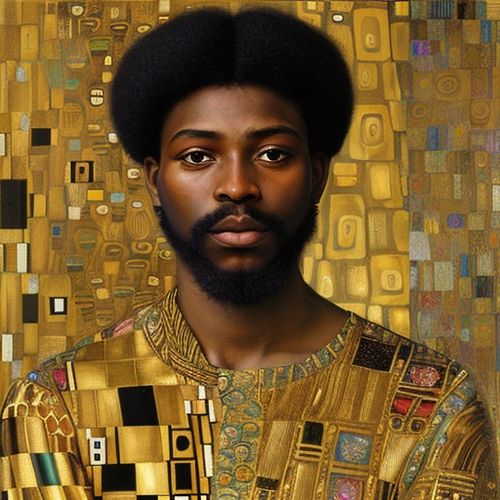
In the world of art, few moments are as exhilarating as the rediscovery of a long-lost masterpiece. Such is the case with an early painting by the renowned Austrian painter Gustav Klimt, which has resurfaced after decades of obscurity. The portrait of Prince William Nii Nortey Dowuona, a representative of the Ga people in West Africa (present-day Ghana), has captivated art enthusiasts and historians alike. Painted in 1897, this small yet significant work is now on display at the prestigious TEFAF Maastricht art fair in the Netherlands, with a staggering price tag of €15 million (approximately $16.3 million).
Arts

The Cultural Significance of Long Hair: Irina Werning's "Las Pelilargas"

By Emily Johnson/Mar 27, 2025

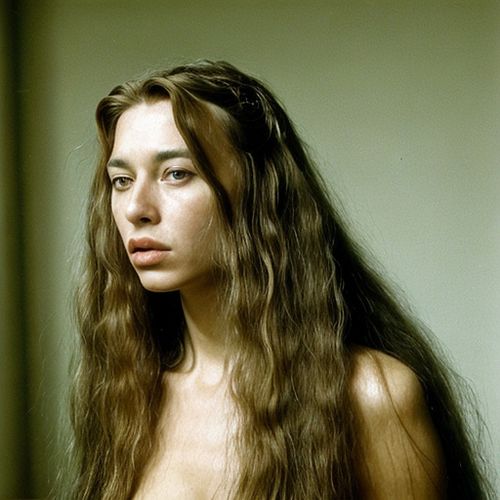
Over the past two decades, Argentine photographer Irina Werning has embarked on a remarkable journey across Latin America, documenting a unique and deeply rooted cultural phenomenon. Her project, titled "Las Pelilargas" (The Long-haired Ones), explores the reverence for long hair within the region, capturing the stories and traditions of individuals whose hair serves as a powerful symbol of cultural identity and resistance.
Arts

Decolonising the Past: A Journey Through Bristol's Museum Collection

By Christopher Harris/Mar 27, 2025

In the heart of Bristol, a city steeped in history, a new exhibition is challenging the way we perceive historical artefacts. Titled "Those that do not smile will kill me: Decolonising Jamaican Flora," the exhibition is the brainchild of artist Jessica Ashman, who has been meticulously working with the collections of Bristol Museum & Art Gallery. Her work is not just an artistic display; it is a profound exploration of the stories and histories that have been long ignored or overlooked.
Arts

Athol Fugard: The Fearless Voice Against Apartheid

By Ryan Martin/Mar 14, 2025

The death of Athol Fugard at the age of 92 marks the passing of one of South Africa's most influential and courageous playwrights. Known for his politically charged works that exposed the brutalities of apartheid, Fugard left an indelible mark on both South African and global culture. His plays, which often featured mixed-race casts and addressed the harsh realities of racial segregation, became a beacon of hope and resistance during one of the darkest periods in South Africa's history.
Arts

Banksy's Tribute to Vettriano: Art, Legacy, and the Power of Reimagining

By Christopher Harris/Mar 14, 2025

In the world of contemporary art, few names evoke as much intrigue and admiration as Banksy and Jack Vettriano. Both artists, though from different eras and styles, have left indelible marks on the cultural landscape. Their paths recently intertwined in a poignant and financially significant manner, culminating in the sale of a Banksy reimagining of Vettriano's iconic work, "The Singing Butler," at Sotheby's in London for £4.3 million ($5.4 million). This sale, which took place just days after Vettriano's death, underscores not only the enduring appeal of both artists but also the complex relationship between art, legacy, and reinterpretation.
Arts

The Enigma of Lady Jane Grey: Unveiling the Mystery of a Tudor Portrait

By William Miller/Mar 14, 2025

In the annals of history, few figures evoke as much intrigue and tragedy as Lady Jane Grey, the "Nine Days Queen" whose brief reign and untimely execution have captivated historians and storytellers for centuries. Executed at the age of just 17, Lady Jane Grey has long been remembered through posthumous portrayals that depict her as a helpless, blindfolded martyr. However, recent research has brought to light a potential breakthrough: a Tudor-era portrait believed to be the only known image of Lady Jane painted during her lifetime. This discovery, if confirmed, would offer an unprecedented glimpse into the life and appearance of one of history's most enigmatic figures.
Arts

The Art of Deception: A Forger's Toolkit and How to Outsmart Them

By Emily Johnson/Mar 14, 2025

In a world increasingly dominated by digital deceptions and AI-generated falsehoods, it's easy to assume that the art of forgery is a modern phenomenon. Yet, the recent discovery of an elaborate art forger's workshop in Rome, along with the contentious debate surrounding a supposed masterpiece in London's National Gallery, serves as a stark reminder that the history of fraudulent art is as ancient as it is intricate. From impossible pigments to clumsy brushstrokes and suspicious signatures, the tale of art forgery is written in the very materials and techniques that artists have used for centuries.
Arts

The Intimate World of Danielle McKinney: Painting Solitude and Revolution

By Amanda Phillips/Mar 14, 2025

In the quiet corners of domesticity, Danielle McKinney's ladies find their peace. These women, painted in moments of repose, solitude, and quiet introspection, have become the hallmark of an artist whose work captures the essence of rest and the beauty of being alone with oneself. McKinney's ladies lounge on couches, sleep in beds, play with butterflies, or simply exist in their own private worlds. They are intimate portraits of solitude, painted with a tenderness that invites viewers into their quiet lives. For McKinney, these women are more than just subjects; they are extensions of her own curiosity and desire to explore the human experience in its most unguarded moments.
Arts

Unveiling the Wild Heart of Pompeii: The Discovery of a Rare Megalographyhanalian rituals

By Victoria Gonzalez/Mar 14, 2025

In the shadow of Mount Vesuvius, where time stands still and history whispers through the ruins, Pompeii continues to reveal its secrets. The ancient Roman city, buried in a catastrophic eruption in 79 AD, has long been a treasure trove for archaeologists and historians. Recently, another extraordinary discovery has shed light on the wilder, more uninhibited aspects of Roman life—a rare megalography, or life-sized painting, depicting the procession of Dionysus, the ancient Greek god of wine and revelry.